
Replacement Parts & Part Recreation
Broken, discontinued, or unavailable part? Send photos, measurements, drawings, or the original component so we can evaluate whether it can be recreated.
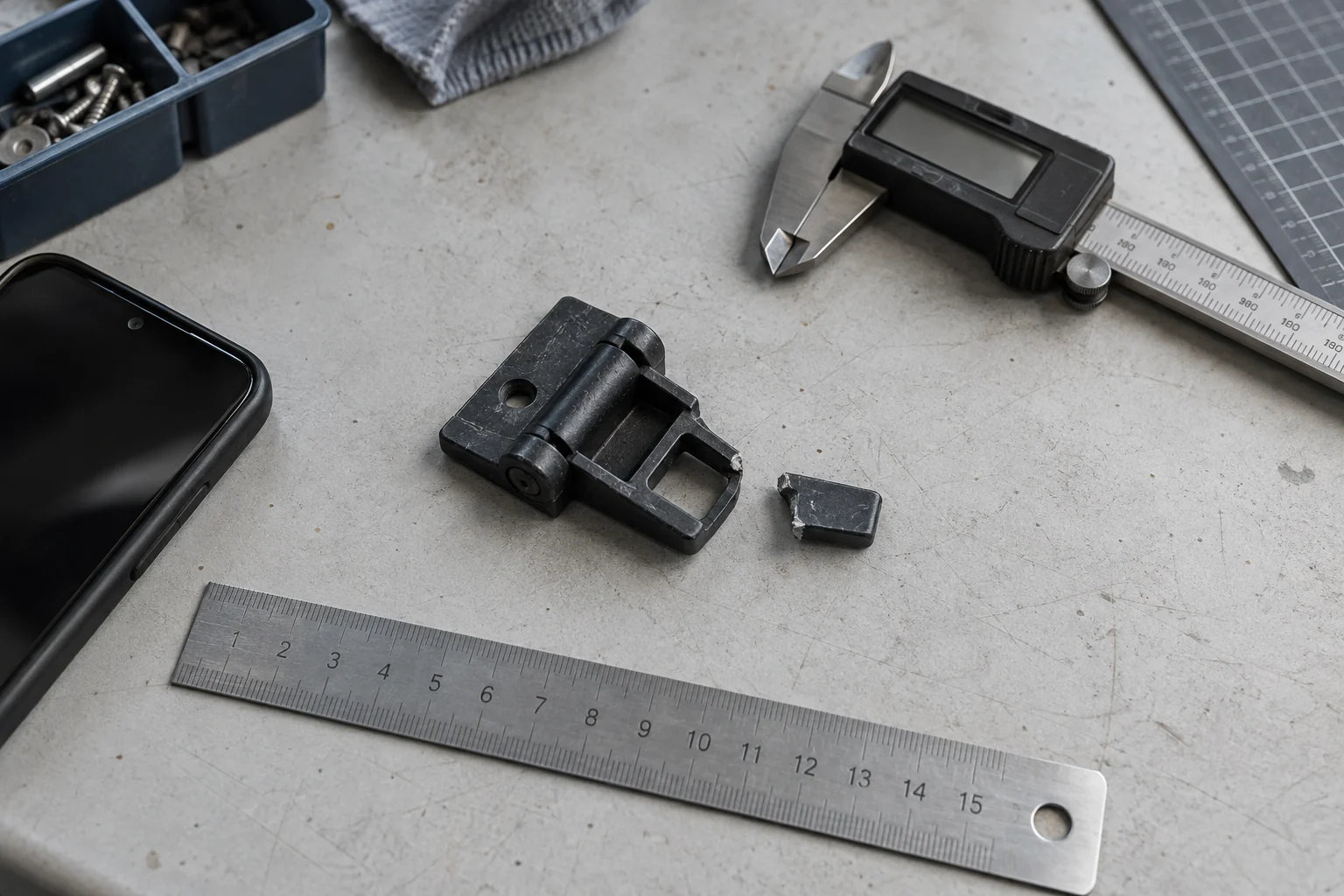
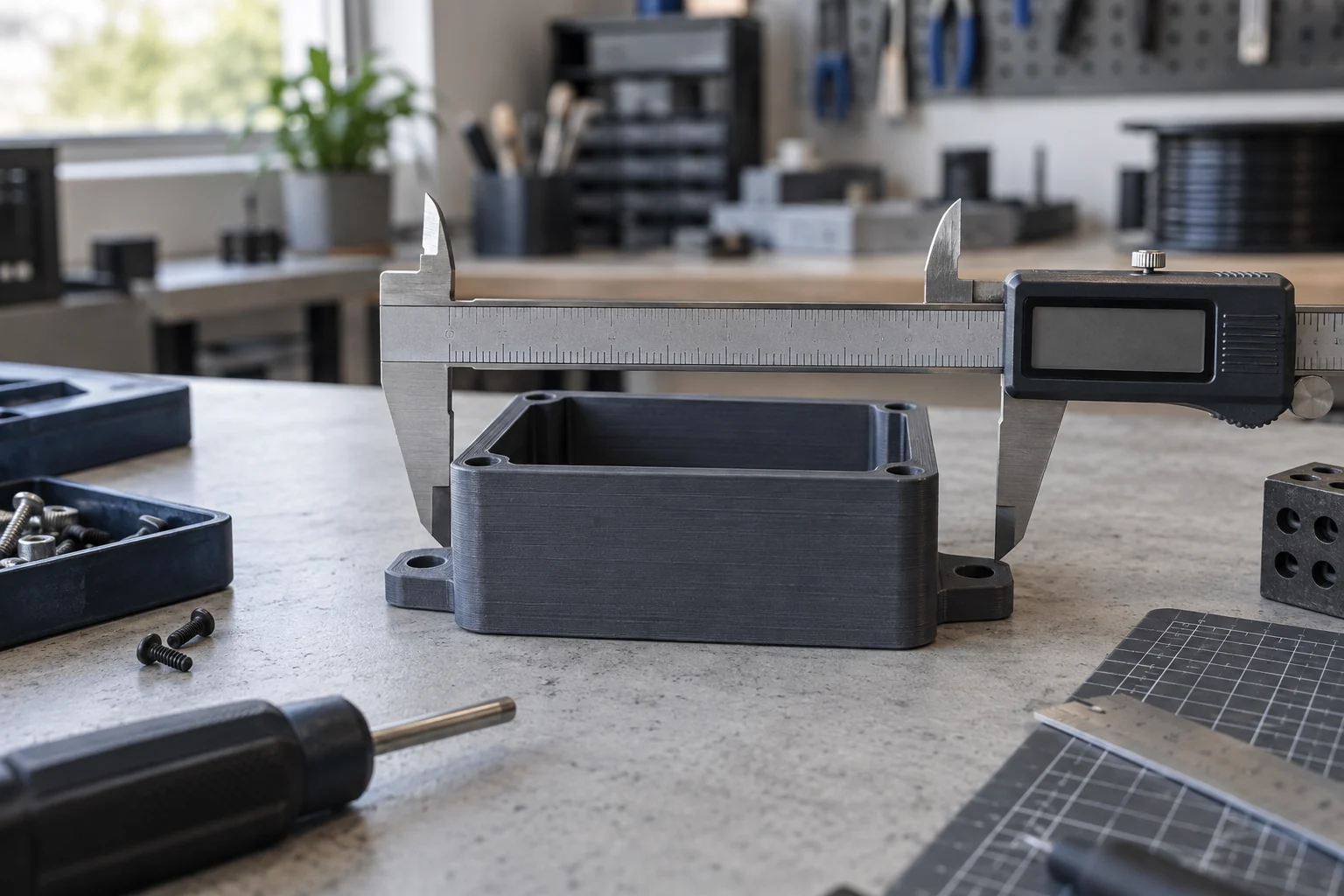
Is this part a practical recreation candidate?
A useful replacement depends on more than copying its outline. We review the consequence of failure, the quality of the available reference, the working environment, and the interfaces the part must match.
Failure consequence
Decorative covers, guides, knobs, and light-duty interfaces may be reasonable candidates; safety-critical or highly regulated functions require a different engineering path.
Reference quality
An original part, an intact mating component, multiple clear photos, and reliable measurements reduce assumptions about missing or worn geometry.
Load and environment
Heat, sunlight, moisture, chemicals, repeated motion, fastening force, and sustained loads all influence whether additive manufacturing and an available material are appropriate.
Reference checklist
Broken, discontinued, or unavailable part? Send photos, measurements, drawings, or the original component so we can evaluate whether it can be recreated.
Replacement Parts
Reference review
We start with the condition, use, interfaces, and information available for the original part.
Measurement & geometry capture
Critical dimensions can come from measurements, photographs, drawings, or scanning.
CAD recreation
The replacement is modeled around the available references and practical manufacturing needs.
Prototype check
When useful, an initial version can be evaluated before the final quantity is produced.
Possible project outcomes
- Candidate assessment
- A project-specific recommendation on whether to model, scan, measure, prototype, or pursue another manufacturing approach.
- Recreated geometry
- CAD built around the available evidence and confirmed interfaces when part recreation is accepted into scope.
- Fit-check or production direction
- A prototype plan, revised model, or manufacturing-ready direction based on the risk and information available for the part.
Replacement Parts questions
Do you need the original part?
The original is often the best reference, but clear photos, measurements, drawings, and the surrounding assembly can be enough for an initial assessment. We will identify what still needs to be verified.
Can a broken or worn part still be recreated?
Often, but damaged areas should not simply be copied. Intact features, mating geometry, symmetry, photos, and functional context may help reconstruct the intended form.
Which replacement parts are not good candidates?
Parts with safety-critical consequences, unknown high loads, unsuitable operating environments, or too little reference information may be declined or referred to another process.
How are price, timing, and fit confirmed?
Design work, reference quality, size, material, quantity, and any fit-check prototype affect the quote. A photo or upload starts a review rather than an instant final price. Important mating dimensions and the fit-check approach are agreed before manufacturing; the schedule is confirmed for the accepted scope.
Request a Quote
Not every component is a good candidate for additive manufacturing. We review the application before recommending a path forward and confirm important fit information where practical.