STEP vs. STL for Custom 3D Printing
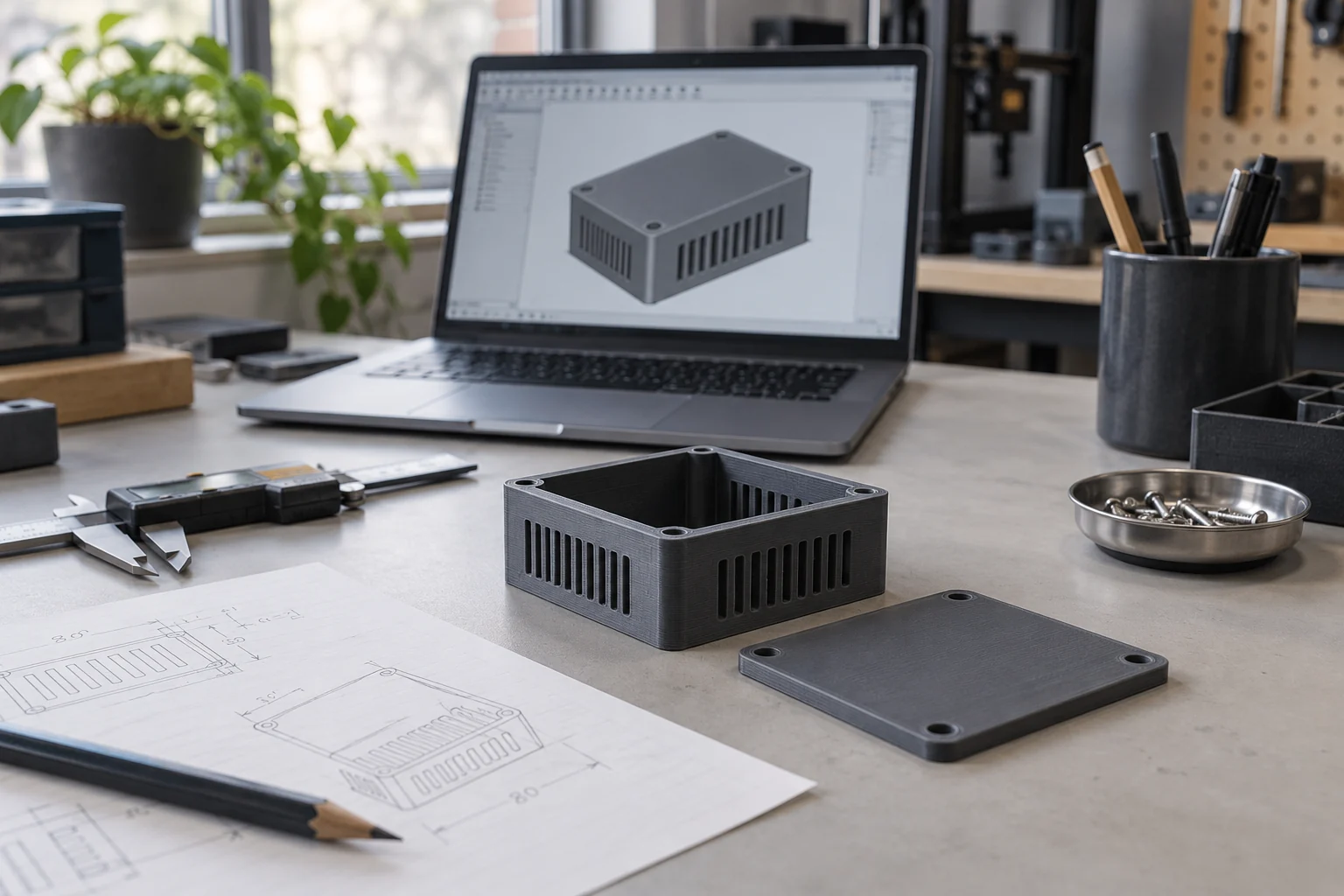
STEP is usually the stronger starting point when geometry may need to be inspected or changed. STL can be appropriate when a clean mesh is already ready for manufacturing review.
Read the guidePractical project knowledge
Clear, source-backed guidance for preparing files, documenting physical parts, and deciding what information a custom manufacturing project needs next.
These articles explain the evidence behind common project decisions without promising a result before the geometry and application are reviewed.
STEP is usually the stronger starting point when geometry may need to be inspected or changed. STL can be appropriate when a clean mesh is already ready for manufacturing review.
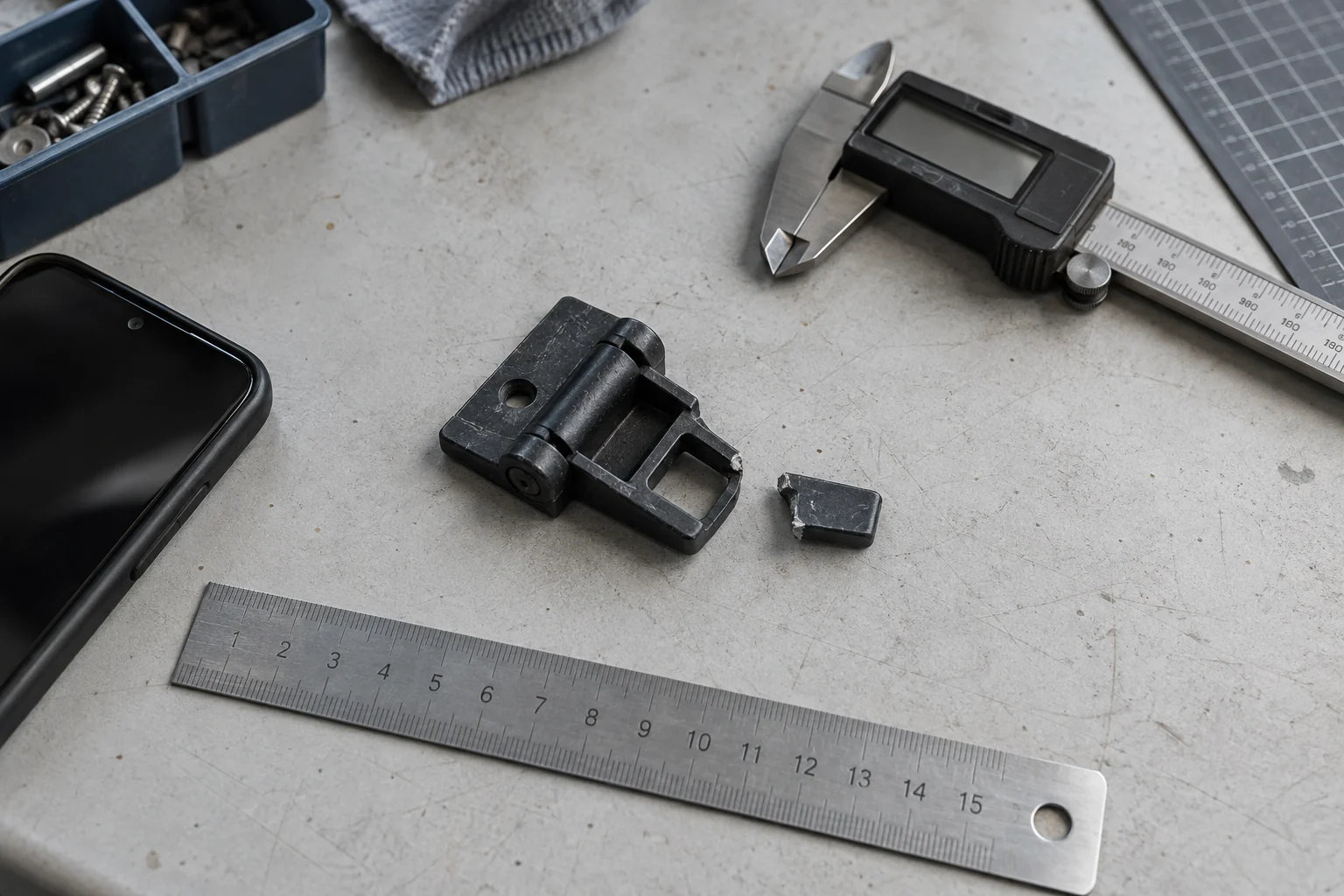
Read the guideThe most useful reverse-engineering request explains what the part must do and supplies evidence about its geometry, interfaces, wear, and installation context.
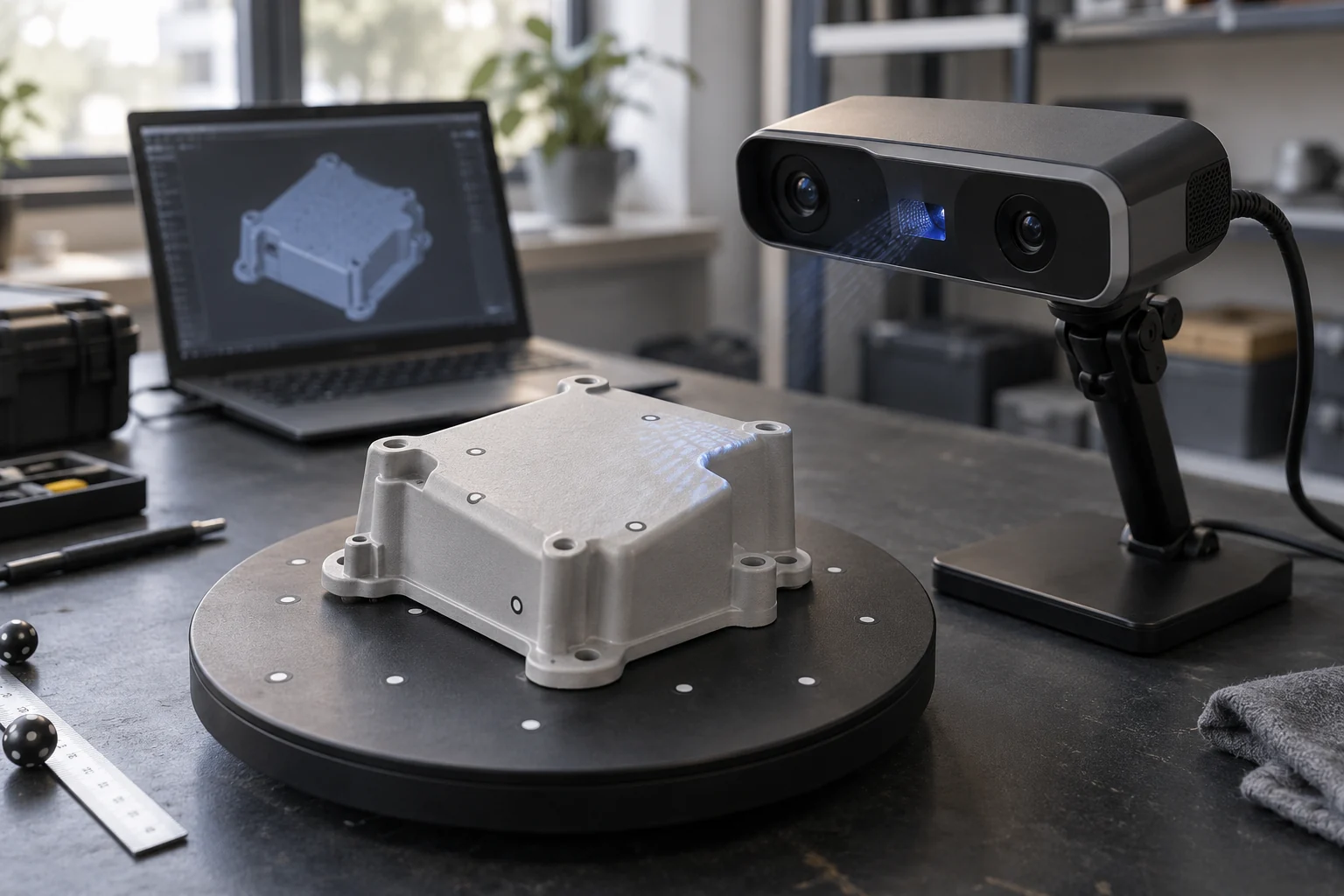
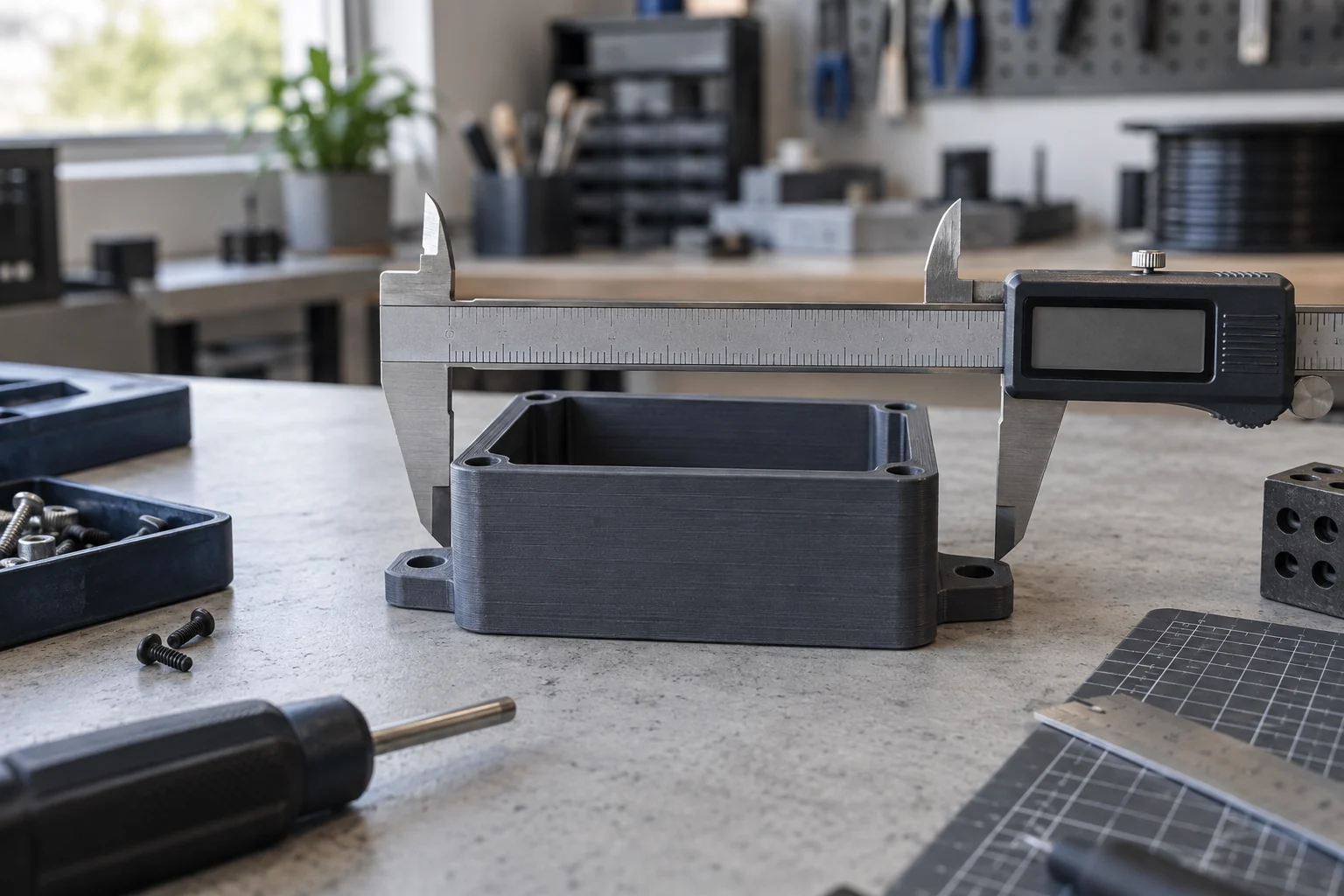
Read the guideScanning captures many surface points; direct measurement isolates specific dimensions. Part recreation often benefits from using each method where it is strongest.
Read the guideA suitable replacement-part project begins with the application, consequences of failure, available references, use environment, fit requirements, and a realistic validation plan.
Read the guideSend the project information you already have. Hola3DPrint can identify the next useful question without requiring you to choose the manufacturing workflow first.